
Like Dino!
super_tokiMusic
4.945.42K Reviews
- Version
- 2.9
- Installs
- 10.00M
- Age Rating
- Everyone
Screenshots
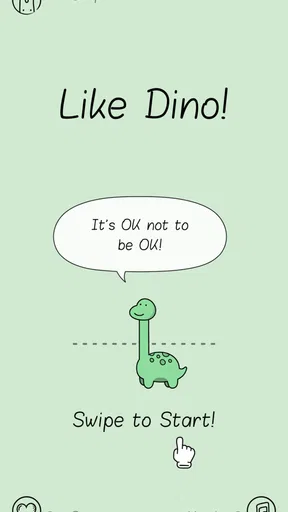
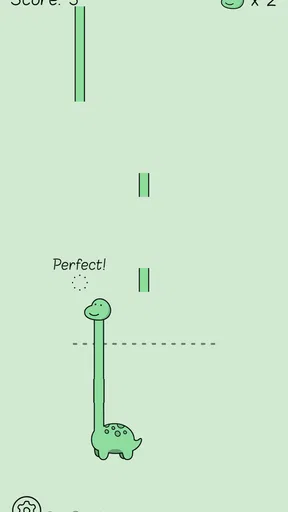
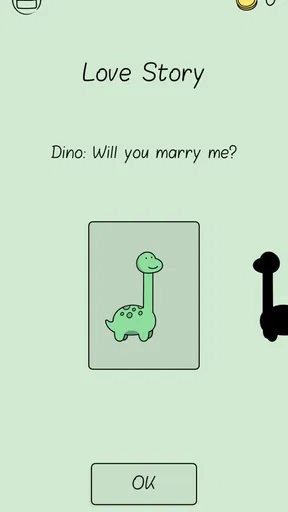
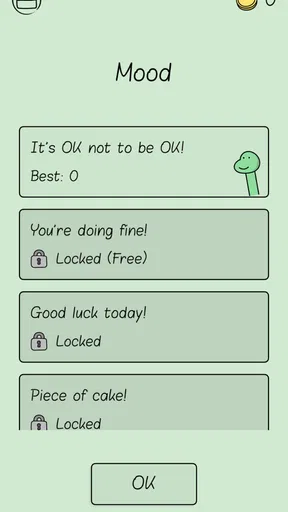
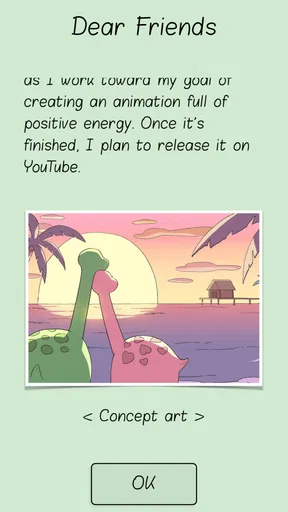
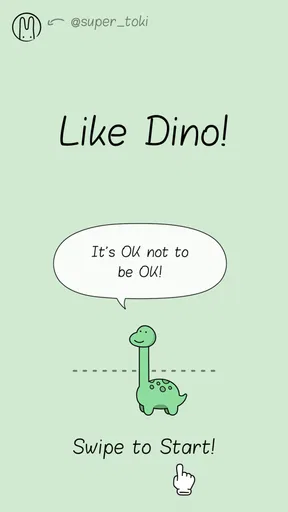
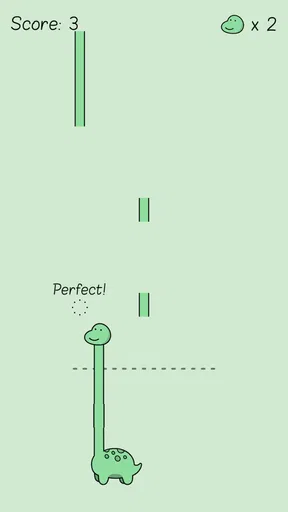
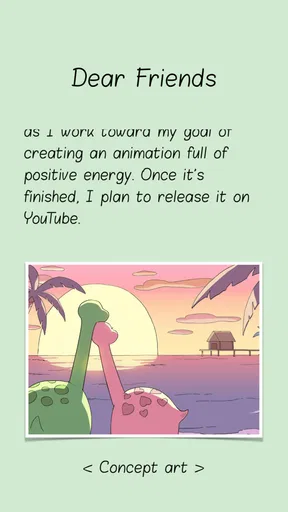
Our Review of Like Dino!
 Analysis by Appyee
Some games are built around a dramatic challenge, while others win by making a tiny action feel satisfying enough to repeat. Like Dino! belongs to the second group. It is a free music game from super_toki, and its central appeal is easy to understand: the experience is designed to feel light, rhythmic, and immediately approachable rather than demanding a long tutorial or a serious time commitment.
I found the first sessions especially inviting because the game does not ask me to learn a complicated rule set before having fun. The “Like Dino!” idea is playful and direct, which makes it suitable for a quick break, a short commute, or a few minutes when I want something more active than scrolling. It is listed for Everyone, so the tone is broadly accessible, and the musical presentation gives the simple interaction more personality than a plain reflex exercise.
That simplicity is also the first important thing to understand. This is a game to dip into, not a substitute for a full rhythm game with a large song library, elaborate progression, or deep customization. If you want a substantial music game that constantly introduces new systems, you may find this one too narrow. If you want a friendly, low-pressure experience that can become part of a small daily routine, it makes a much stronger case.
Why the first week feels so pleasant
During the first week, the biggest strength is the low barrier to entry. I can open it without preparing for a long session, understand the basic rhythm of play quickly, and stop before the experience becomes a responsibility. That matters on a phone, where the best casual games are often the ones that respect an unpredictable schedule.
The musical category is not merely a label here. Timing and sound give the game its identity, so the action feels more coherent than tapping through disconnected menus. Even when the underlying interaction is simple, a musical response can make a successful moment feel more rewarding. I would describe the mood as cheerful and uncomplicated, with a visual style that supports the game’s playful character instead of trying to overwhelm it.
One useful habit is to begin with short sessions rather than immediately trying to play for a long stretch. The game works well when I treat it as a small concentration exercise: listen, react, notice where my timing slips, and try again. That approach helps preserve the charm because each attempt has a clear purpose. Playing repeatedly without a break can make the same gestures feel more mechanical.
It is also a good choice for sharing a phone with a child or introducing someone to music games. The age rating makes it broadly suitable, and the uncomplicated presentation is less intimidating than a rhythm title filled with dense menus and specialist terminology. I would still recommend that an adult decide whether the game fits a particular child’s habits, especially if the child tends to replay any short-form game for too long.
On Android, the game supports devices running Android 6.0 or later. That gives it a wide practical reach, particularly for people who are not using a recent phone. On iOS, the same general appeal remains: quick access, clear musical feedback, and an experience that does not require a large time investment before it becomes understandable.
The small details that improve the routine
A less obvious strength is how useful the game can be as a reset between demanding tasks. I would not use it while studying or working in the background, because music gameplay needs attention, but a brief round can mark the end of one task and the beginning of another. That makes it more valuable than a game I only open when I have an empty evening.
Another practical tip is to play with a consistent posture and grip. Short music games encourage casual one-handed use, but changing grip constantly can make timing feel less reliable. When I keep the phone steady and give the screen my full attention for a few minutes, the experience feels more deliberate and less like random tapping.
The game also works best when I judge success by improving my timing rather than by chasing an endless perfect run. That mindset is important because the presentation is inviting enough to encourage “one more try,” while the underlying activity remains compact. A personal target such as cleaner reactions or a smoother session gives the game a sustainable purpose without turning it into a stressful obligation.
Its popularity suggests that the approachable formula connects with a large audience: the game has an average rating of 4.9 from around 608 thousand ratings, with more than 10 million installs. Those figures do not automatically make it right for everyone, but they do reflect that the simple concept has broad appeal rather than being a niche experiment.
What remains after the novelty fades
The more interesting test begins after the first week. A charming visual style and a pleasant musical loop can carry a game for several sessions, but lasting value depends on whether I still have a reason to return once the initial discovery is over. In my experience, Like Dino! is strongest as a recurring micro-break, not as a game that demands daily progression.
That distinction is not a criticism by itself. Many people do not need another large game competing for storage, attention, and free time. A small title that remains easy to understand can earn a permanent place precisely because it does not require maintenance. I can leave it alone for a while and return without having forgotten a complicated system or fallen behind a demanding schedule.
The trade-off is that the same simplicity limits long-term variety. Players who measure value by new stages, deep unlocks, complex challenges, or a broad catalog of musical content may start looking for more after the novelty fades. A larger rhythm game is usually better for someone who wants structured progression and a stronger sense of a long journey. Like Dino! is better for someone who values accessibility over scale.
I would place it between a traditional casual time-killer and a more focused rhythm game. Compared with a puzzle game, it offers a stronger sense of timing and musical flow. Compared with a full music game, it is lighter and less demanding. Compared with passive entertainment, it asks me to pay attention, but only in manageable bursts. That middle position explains both its appeal and its limits.
Who is most likely to keep it installed
I think it earns lasting space for three kinds of players. The first is someone who wants a free music game that can be understood immediately. The second is a parent or casual player looking for a friendly title without an intimidating learning curve. The third is anyone who enjoys keeping a few tiny games available for moments of waiting, travel, or mental reset.
It is less convincing for competitive rhythm fans who want precision systems to master over many months. It may also disappoint players who expect a story, a large collection of modes, or a steady stream of major changes. The store presents it simply as a musical game with a short description built around its dino theme, and that modest framing is actually helpful: I would not install it expecting a full-scale music platform.
There is also a difference between replayability and habit. A game can be replayable because it remains pleasant, but a habit needs a reason to return. Here, the reason is usually mood and convenience rather than a deep long-term objective. If I am tired and want something gentle, it works. If I am actively searching for a new challenge, I am more likely to choose a richer alternative.
Maintenance, friction, and the points where fatigue appears
One advantage of a compact game is that it does not create much mental maintenance. I do not need to remember a complicated build, manage a large collection, or plan a long session. That makes it friendly to irregular players. Someone who opens it only occasionally can still understand what to do, which is a real benefit over games that punish absence with layers of accumulated tasks.
The maintenance burden is therefore mostly personal: managing how often I play and noticing when the loop stops feeling fresh. Because the game is easy to restart, it can tempt me to continue past the point where I am enjoying it. My best approach is to stop after a natural short session rather than treating every mistake as a reason to keep going.
Repetition is the main source of fatigue. Musical timing can feel satisfying when I am engaged, but repeated attempts with little variation may eventually become predictable. The same quality that makes the game approachable can reduce its ability to surprise me. This is where expectations matter. I see it as a small daily ritual, not as a game that must provide a new discovery every time I open it.
Another possible friction point is the gap between the playful theme and the player’s preferred mood. The dino identity gives the game a distinctive personality, but anyone who wants a serious, atmospheric, or technically demanding music experience may find the tone too light. That is not a flaw in execution; it is simply a mismatch between the game’s character and a more demanding taste.
For a realistic everyday scenario, imagine waiting for an appointment with only a few minutes available. A large game would be inconvenient because it might take time to load, require a stable stopping point, or leave me feeling that I have barely started. Like Dino! fits that situation better: I can use the waiting period for a focused musical break and put it down when my name is called. The same applies to a short pause between household tasks.
How to decide whether it deserves storage space
I would keep it installed if I wanted a dependable, low-pressure game that I could revisit without relearning anything. The free price removes the financial barrier, and the broad age rating makes it easy to recommend within a household. The current version is 2.9, and the game has been available since November 8, 2020, so it is not merely a brand-new novelty that has just appeared on the scene.
I would remove it if I noticed that every session had become automatic rather than enjoyable. That is the clearest test for this kind of game. Its value comes from the feeling of a pleasant interaction, not from obligation. If I am launching it only because it is already on my phone, a different music game, a puzzle title, or even a non-game break may serve me better.
It is also worth considering the setting in which you play. Since timing and sound are central to the experience, the game is more satisfying when I can pay attention to its audio and visual cues. In a noisy environment, or when I need to keep my phone muted, part of the appeal may be reduced. I would not call that a deal-breaker, but it does make the game less effective as a purely visual time-killer.
My long-term verdict on Like Dino!
After the initial charm settles, I still see a clear place for this game, but it is a specific place. Like Dino! is not trying to be the one music game that replaces every other option. It succeeds as a friendly, free, easy-to-return-to experience that turns a few spare minutes into a small rhythmic activity.
Its strongest long-term quality is the absence of pressure. I can step away without losing momentum, return without studying a manual, and use it when I want a little focus rather than a major commitment. That makes it more durable in everyday life than some larger games that are impressive at first but gradually feel like work.
Its weakness is equally clear: the compact concept may not provide enough variety for players who need constant novelty. If you want a deep catalog, demanding mastery, or a substantial progression system, choose a more ambitious rhythm game. If you want something cheerful, accessible, and quick, this is a much more sensible fit.
My recommendation is to treat it as a small repeatable ritual rather than a long-term project. Give it a few short sessions, notice whether the musical timing improves your mood, and judge it by how naturally it fits into your day. It earns lasting space when convenience and gentle replayability matter more than depth. For that audience, super_toki has made a focused music game that is easy to like and easy to revisit without demanding more attention than it deserves.
Verdict
Strengths of Like Dino!
- Simple controls make it easy for anyone to start playing.
- Short sessions are ideal for quick entertainment on the go.
- Cute dinosaur theme gives the game a friendly, appealing style.
- Progression encourages repeated play and gradual improvement.
- Works well for players looking for a casual, low-pressure experience.
Limitations of Like Dino!
- Gameplay can feel repetitive after extended sessions.
- Limited depth may not satisfy players seeking a complex challenge.
- Some levels may become frustrating without careful timing.
- Ads or in-app purchases may interrupt the overall experience.
- The visual style may feel too basic for players wanting detailed graphics.
Similar Picks in This Category
View All
Tiles Hop Music & Ball Game
AMANOTES PTE. LTD.4.3

Magic Tiles 3™ - Piano Game
AMANOTES PTE. LTD.4.6

Real Piano
Bilkon3.7

Piano Game: Classic Music Song
Dream Tiles Piano Game Studio4.0

Smash Colors: Music Ball Rush
BADSNOWBALL HONGKONG LIMITED4.2

Piano Music Go-EDM Piano Games
Joy Journey Music Games4.5
Frequently Asked Questions
What is Like Dino! and how is it played?
Like Dino! is a relaxing casual game focused on building a tall, colorful tower of friendly dinosaurs. Each dinosaur must be placed carefully on top of the previous one, and the goal is to keep the tower balanced while reaching a higher score. Its simple controls make it easy to understand, although precise timing becomes increasingly important as the stack grows.
Is Like Dino! free to download and play?
Like Dino! can generally be downloaded and played for free on supported Android and iOS devices. The game may include advertising or optional in-app purchases, depending on the version and platform. You can enjoy the main stacking gameplay without paying, but it is recommended to check the store listing for the latest information about ads, purchases, and regional availability.
Does Like Dino! require an internet connection?
Like Dino! is primarily designed as a simple, self-contained casual game, so its main gameplay can usually be enjoyed without a constant internet connection. However, an internet connection may be needed for downloading the app, receiving updates, displaying advertisements, or using certain optional features. Availability of offline play can vary slightly between device versions.
Is Like Dino! suitable for children?
Like Dino! uses cute dinosaur characters, bright visuals, and straightforward one-touch gameplay, making it suitable for many children and casual players. Nevertheless, parents should review the age rating shown in the Google Play Store or App Store, especially because advertisements or optional purchases may be present. Device purchase restrictions are advisable if children will play independently.
What devices are compatible with Like Dino!?
Like Dino! is available for mobile devices through official Android and iOS app stores, but compatibility depends on the operating system version and the developer’s current support requirements. Before downloading, check the app’s store page to confirm the minimum Android or iOS version, available storage, and whether your specific device is supported. Keeping the system updated can also prevent installation issues.
Play our best games!


